


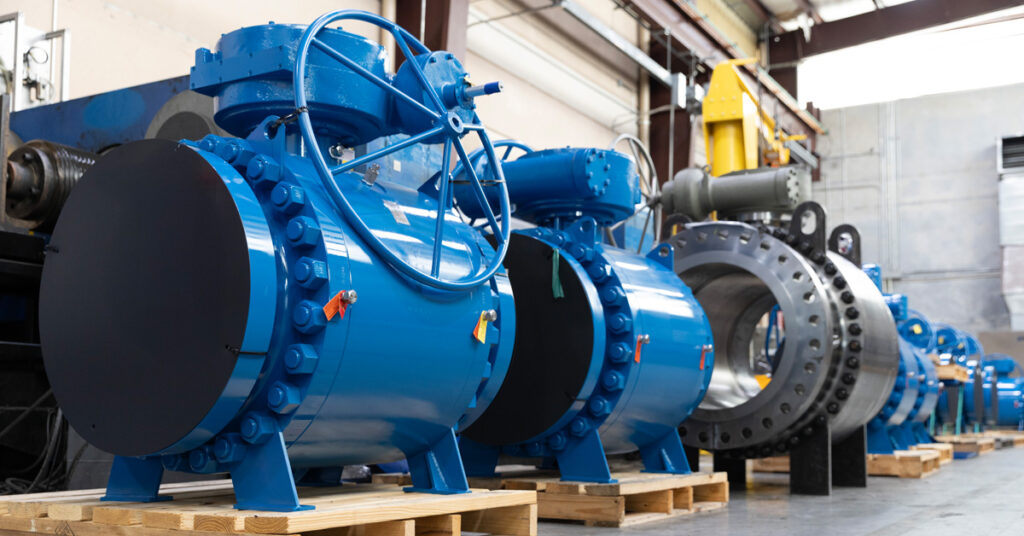
In the oil and gas industry, reliability is not a bonus. It is the baseline. Every component in a pipeline system has a job to do, and when it comes to controlling flow under pressure, valves carry a heavy load.
That is where API 6D comes in.
An API 6D valve is not just another valve. It is a standard that defines how pipeline valves are designed, tested, and manufactured to perform in some of the most demanding environments in the world.
If you are working in pipeline operations, engineering, or procurement, understanding API 6D is not optional. It is essential.
What Is an API 6D Valve?
An API 6D valve is a valve that meets the specifications set by the American Petroleum Institute under the API 6D standard.
This standard applies specifically to pipeline valves used in oil and gas transportation systems. It ensures that valves can handle high pressure, resist failure, and maintain performance over time.
In simple terms, API 6D defines what it takes for a valve to be trusted in a pipeline.
Not all valves meet this standard. And in many pipeline applications, only API 6D compliant valves are accepted.
What Does the API 6D Standard Cover?
API 6D is not a single requirement. It is a full framework that governs how a valve performs from design to final testing.
Design Requirements
Valves must meet strict engineering criteria, including wall thickness, sealing mechanisms, and structural integrity. These are not theoretical specs. They are built around real-world pipeline conditions.
Pressure and Temperature Ratings
API 6D valves are designed to operate under defined pressure classes and temperature ranges. This ensures consistent performance whether the valve is handling extreme heat, cold, or pressure fluctuations.
Testing and Inspection
Every API 6D valve goes through rigorous testing. This includes pressure testing, leak testing, and operational checks to verify that the valve performs as expected before it ever reaches the field.
End Connections and Dimensions
Standardized dimensions and connection types ensure compatibility across pipeline systems. This reduces installation issues and improves overall system reliability.
Where Are API 6D Valves Used?
API 6D valves are built for pipeline applications where performance and safety cannot be compromised.
You will find them in:
- Oil and gas transmission pipelines
- Midstream transportation systems
- Storage and terminal facilities
- Refining and processing environments
These are not light-duty applications. These are critical systems where failure is not an option.
Types of API 6D Valves
API 6D covers several types of valves, each designed for specific roles within a pipeline system.
Ball Valves
Ball valves are widely used for their ability to provide tight shutoff and reliable performance. Trunnion-mounted designs are especially common in high-pressure pipeline systems.
Gate Valves
Gate valves are used when full flow with minimal restriction is required. They are ideal for isolation applications.
Check Valves
Check valves prevent backflow, protecting equipment and maintaining directional flow within the system.
Plug Valves
Plug valves offer simple, effective flow control and are often used in applications requiring quick operation.
Why API 6D Certification Matters
API 6D certification is more than a label. It is a signal of quality, safety, and reliability.
Valves that meet API 6D standards offer:
- Proven performance under pressure
- Reduced risk of leaks and failures
- Compliance with industry specifications
- Confidence in long-term operation
In many pipeline projects, API 6D compliance is required. Using non-compliant valves can introduce risk that no operator wants to take on.
API 6D vs Other Valve Standards
Not all valve standards are created equal.
One common comparison is API 6D vs API 608.
API 608 applies to general industrial ball valves. API 6D is specifically designed for pipeline applications, which means stricter requirements, more rigorous testing, and higher expectations for performance.
If the application involves pipelines, API 6D is often the standard that matters.
How API 6D Valves Are Manufactured and Tested
Building an API 6D valve is not a simple process. It requires precision at every stage.
From machining and assembly to sealing and final testing, each step is focused on one outcome: performance in the field.
Valves are pressure tested, inspected, and validated before they are approved for use. This process ensures that what is delivered will perform as expected when it matters most.
API 6D Valves Built for the Field
In real-world pipeline environments, conditions are rarely ideal. Pressure fluctuates. Temperatures shift. Timelines are tight.
That is why API 6D valves are designed with durability and consistency in mind.
At KF Valves, that standard is not just met. It is built into every step of the process. From assembly in Houston to final testing, the focus remains on delivering valves that perform in the environments they were built for.
Frequently Asked Questions About API 6D Valves
What does API 6D mean?
API 6D is a standard developed by the American Petroleum Institute that defines requirements for pipeline valves used in oil and gas systems.
Are all ball valves API 6D?
No. Only ball valves specifically designed, manufactured, and tested to meet API 6D requirements qualify.
What is the difference between API 6D and API 608?
API 6D applies to pipeline valves, while API 608 applies to general industrial ball valves. API 6D has stricter requirements for pipeline use.
Do API 6D valves require testing?
Yes. API 6D valves must undergo rigorous testing, including pressure and leak testing, before they are approved for use.
Final Thoughts: Choosing the Right API 6D Valve
Choosing the right valve is about more than meeting specifications. It is about ensuring long-term reliability in the field.
API 6D provides the framework, but execution matters just as much. Quality manufacturing, proper testing, and real-world performance all play a role in how a valve performs over time.
In pipeline applications, there is no room for shortcuts. The right valve, built to the right standard, makes all the difference.