

In pipeline operations, valve performance matters every day.
A valve may seem like one part of a larger system, but when it does not perform properly, the impact can be immediate. Leaks, pressure loss, unplanned maintenance, downtime, safety concerns, and costly repairs can all trace back to valve issues that started small and became much bigger over time.
That is why understanding common pipeline valve failures is so important.
For engineers, operators, procurement teams, and maintenance crews, preventing valve problems starts with choosing the right valve, installing it properly, maintaining it correctly, and working with products built for demanding pipeline service.
Here are some of the most common pipeline valve failures and how to help prevent them.
Why Valve Failure Matters in Pipeline Operations
Pipeline systems are built around reliability.
Whether the application involves transmission, storage, processing, or midstream transportation, valves play a critical role in controlling flow, isolating sections of the system, and protecting equipment.
When a pipeline valve fails, the issue is rarely limited to the valve itself.
A failure can affect:
System uptime
Product containment
Maintenance schedules
Operational safety
Environmental risk
Repair and replacement costs
Project timelines
In many cases, valve failures are not sudden surprises. They are the result of wear, improper selection, poor installation, incompatible materials, operating conditions, or inadequate maintenance.
The good news is that many common valve problems can be reduced with the right planning, standards, and support.
1. Seal and Seat Wear
Seal and seat wear is one of the most common causes of ball valve performance issues.
In a ball valve, the seats help create the seal between the ball and the valve body. Over time, repeated operation, pressure, temperature changes, debris, and chemical exposure can affect sealing surfaces.
Signs of seal or seat wear may include:
Internal leakage
Reduced shutoff performance
Increased operating torque
Difficulty achieving full closure
Shorter service life
How to help prevent it
Preventing seal and seat issues begins with proper valve selection.
The valve should be matched to the application, media, pressure, temperature, and operating frequency. Seat materials should be compatible with the service environment, and the valve design should be appropriate for the pressure and size requirements of the system.
For demanding pipeline applications, API 6D valves can help support reliable performance by ensuring the valve is designed and tested for pipeline service.
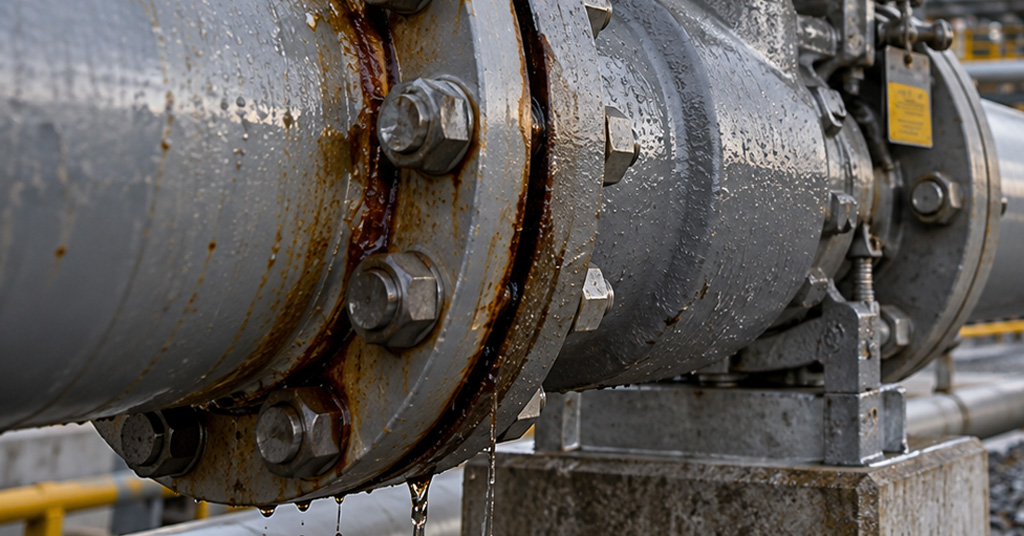
2. Leakage Around Flanges or Connections
External leakage is one of the most visible and concerning valve-related issues.
Leaks may occur around flanges, gaskets, body joints, stems, or other connection points. Even a small leak can lead to larger problems if it is ignored.
Common contributors include:
Improper gasket selection
Uneven bolt loading
Incorrect installation
Thermal cycling
Vibration
Corrosion
Pressure fluctuations
How to help prevent it
Prevention starts with proper installation and inspection.
Flange surfaces should be clean and properly aligned. Bolting procedures should follow project specifications and best practices. Gaskets should be selected based on media, pressure, and temperature requirements.
Regular inspection also matters. Moisture, staining, corrosion marks, or product residue around a connection should be taken seriously before the issue grows.
3. Corrosion and Material Breakdown
Corrosion can shorten valve life and reduce system reliability.
In oil and gas environments, valves may be exposed to moisture, chemicals, temperature swings, and corrosive service conditions. If the materials are not properly selected for the application, corrosion can weaken components and affect valve performance.
Corrosion-related issues may include:
Surface pitting
Stem damage
Flange deterioration
Body or trim degradation
Increased leakage risk
Reduced mechanical integrity
How to help prevent it
Material selection is critical.
Valve body materials, trim materials, coatings, seals, and other components should be chosen based on the actual service conditions. This includes the media, pressure, temperature, location, and exposure environment.
A strong quality and documentation process can also help ensure materials are traceable and aligned with project requirements.
4. Improper Valve Selection
Some pipeline valve failures begin before the valve is ever installed.
If the valve is not properly matched to the application, performance problems can appear quickly. A valve that is undersized, improperly rated, or poorly suited for the service environment may struggle under real-world conditions.
Selection issues can include:
Wrong pressure class
Incorrect valve type
Incompatible seat or seal materials
Poor match for operating temperature
Floating design used where trunnion design is better suited
General industrial valve used in pipeline service
How to help prevent it
Valve selection should begin with the application.
Before choosing a pipeline ball valve, teams should evaluate pressure, temperature, media, flow requirements, operating frequency, installation environment, certification needs, and long-term reliability expectations.
For pipeline and midstream applications, API 6D certification is often an important part of the selection process because it supports valve requirements for pipeline service.
5. Excessive Operating Torque
Operating torque matters, especially in larger valves and higher-pressure systems.
When torque becomes too high, the valve may become difficult to operate. This can affect automation, manual operation, actuator sizing, and overall system reliability.
Excessive torque may be caused by:
High differential pressure
Seat wear
Debris in the valve
Improper valve design for the application
Lack of maintenance
Incorrect actuator selection
How to help prevent it
The right valve design can make a major difference.
Floating ball valves are effective in many applications, but larger sizes and higher-pressure systems may benefit from a trunnion-mounted ball valve. In a trunnion design, the ball is mechanically supported, which can help reduce operating torque and improve performance in demanding service.
Correct actuator sizing, proper maintenance, and clean system operation also help reduce torque-related problems.
6. Poor Installation or Maintenance Practices
Even a high-quality valve can experience problems if it is installed or maintained incorrectly.
Installation and maintenance issues can lead to leaks, misalignment, premature wear, damage to sealing surfaces, or reduced operating life.
Common issues include:
Improper handling before installation
Contamination during installation
Misaligned piping
Incorrect bolting practices
Lack of inspection
Delayed maintenance
Failure to follow manufacturer recommendations
How to help prevent it
Strong procedures matter.
Valves should be handled carefully, installed according to project requirements, and inspected regularly. Maintenance teams should watch for early warning signs such as leaks, corrosion, abnormal torque, vibration, or visible damage.
Good documentation also supports better long-term maintenance planning.
How API 6D and API Q1 Help Reduce Risk
Standards cannot eliminate every field issue, but they help create a stronger foundation for reliability.
API 6D focuses on pipeline valve requirements, including design, manufacturing, testing, inspection, and documentation for valves used in pipeline and piping systems.
API Q1 focuses on the manufacturer’s quality management system. It supports process control, documentation, traceability, corrective action, and continuous improvement for organizations serving the petroleum and natural gas industry.
Together, API 6D and API Q1 help reinforce two important ideas:
The valve must be built for the application.
The manufacturer must have controlled processes behind the product.
For pipeline operators, distributors, and procurement teams, those two factors can help reduce risk when selecting valves for demanding service.
Choosing Valves Built for Long-Term Reliability
Preventing pipeline valve failures starts with the right decisions early in the process.
That means choosing valves based on the application, not just size or availability. It also means considering pressure, temperature, valve design, material compatibility, certification, documentation, and supplier support.
At KF Valves, our focus is on serious flow control for demanding oil and gas applications. With API 6D pipeline valve solutions and a commitment to quality-driven processes, KF Valves supports customers who need reliable performance in the field.
From ball valves to check valves, the right solution begins with understanding the system and selecting equipment built for the job.
Frequently Asked Questions About Pipeline Valve Failures
What are the most common causes of pipeline valve failure?
Common causes include seal and seat wear, leakage around connections, corrosion, improper valve selection, excessive operating torque, installation issues, and lack of maintenance.
How can valve leakage be prevented?
Valve leakage can be reduced through proper valve selection, correct installation, compatible materials, routine inspection, proper gasket selection, and valves designed for the operating conditions.
Why does valve selection matter in pipeline systems?
Valve selection matters because pressure, temperature, media, valve design, certification, and service conditions all affect long-term performance. The wrong valve can lead to premature wear, leakage, or downtime.
What is the role of API 6D in preventing valve problems?
API 6D helps establish requirements for pipeline valves used in petroleum and natural gas applications. It supports proper design, manufacturing, testing, inspection, and documentation for pipeline service.
When should a trunnion ball valve be used?
A trunnion ball valve is commonly used in larger sizes, higher-pressure systems, and critical pipeline applications where reduced operating torque and long-term reliability are important.
Final Thoughts
Pipeline valve failures are not always caused by one major event.
Often, they begin with small issues: the wrong valve for the application, incompatible materials, poor installation, worn seats, excessive torque, or a lack of maintenance.
The best way to prevent these problems is to take a complete view of valve performance from the start.
That means choosing valves built for the application, backed by the right standards, supported by documentation, and supplied by a team that understands the demands of pipeline service.
In pipeline operations, reliability is not accidental.
It is selected, specified, built, tested, and maintained.